-
A WOMAN’S GUIDE TO COPING WITH FIBROIDS—WITH LOVE & CLARITY
Fibroids are non-cancerous tumors that grow in or around the womb. They may occur singly (a woman may have just one fibroid) or in multiples. Fibroids vary in size, from as tiny as a seed to as large as a watermelon. For many, fibroids remain small and silent, while for others, they bring discomfort, heavy…
-

Explaining the Infamous Pregnancy Nose
Have you ever looked at a pregnant woman and thought, “Wait… was her nose always that size?” Or have you seen the “pregnancy humbled me” trend on TikTok? If yes, you’re most likely aware of the infamous pregnancy nose. Why Do Pregnant Women Have Big Noses? First of all, not every woman gets a bigger…
-

SEXUAL ABSTINENCE & SUPERPOWERS
Does Sexual Abstinence Really Improve Your Abilities? Ever heard the rule that you should never have sex the night before a big day? Before you brush it off as mere superstition, you should know that many high achievers, particularly athletes and coaches, swear by this rule. It is believed that monks know something that the…
-
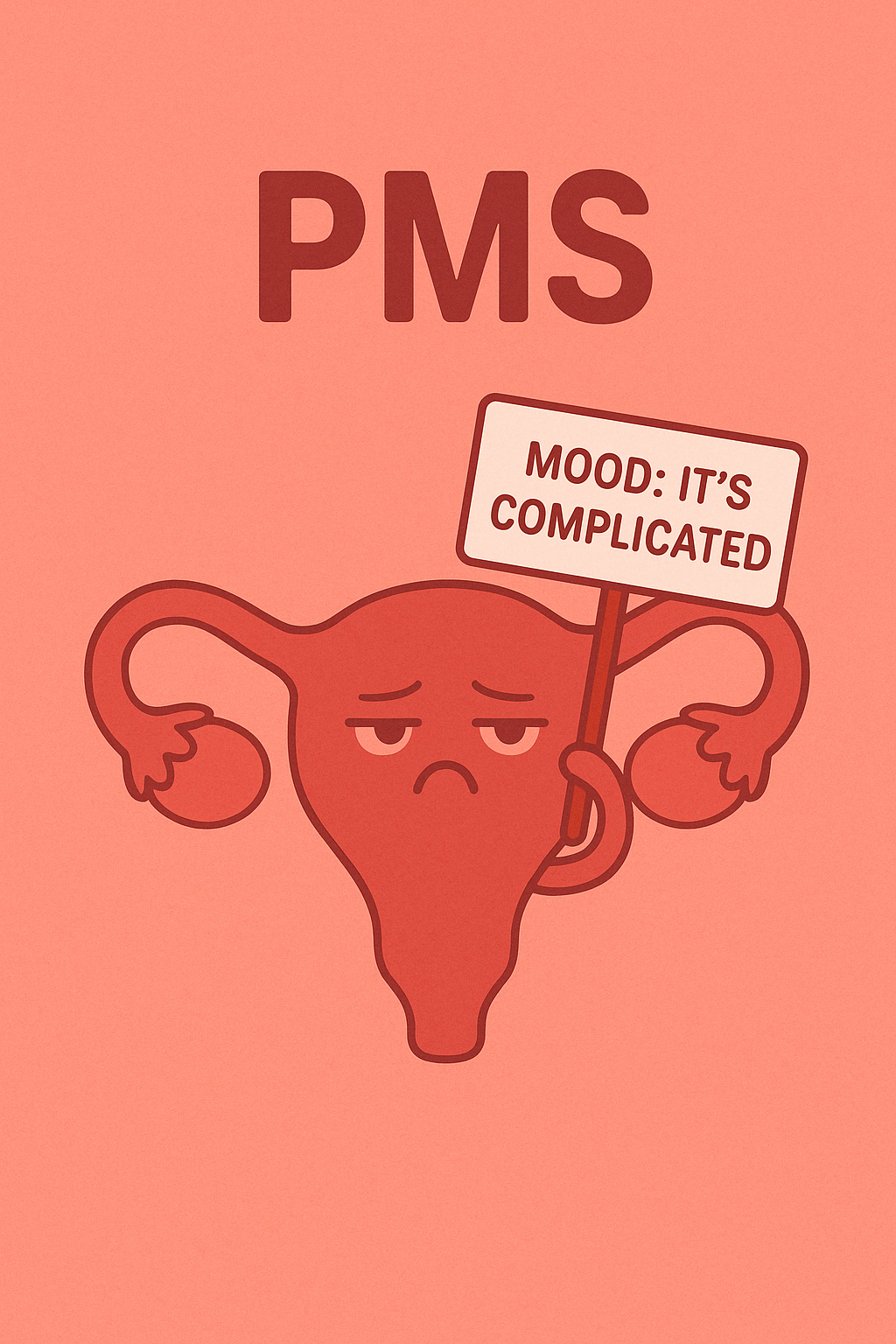
BLOOD, CRAVINGS, AND MOOD SWINGS: The Truth About Premenstrual Syndrome (PMS)
PMS is real and dynamic
-
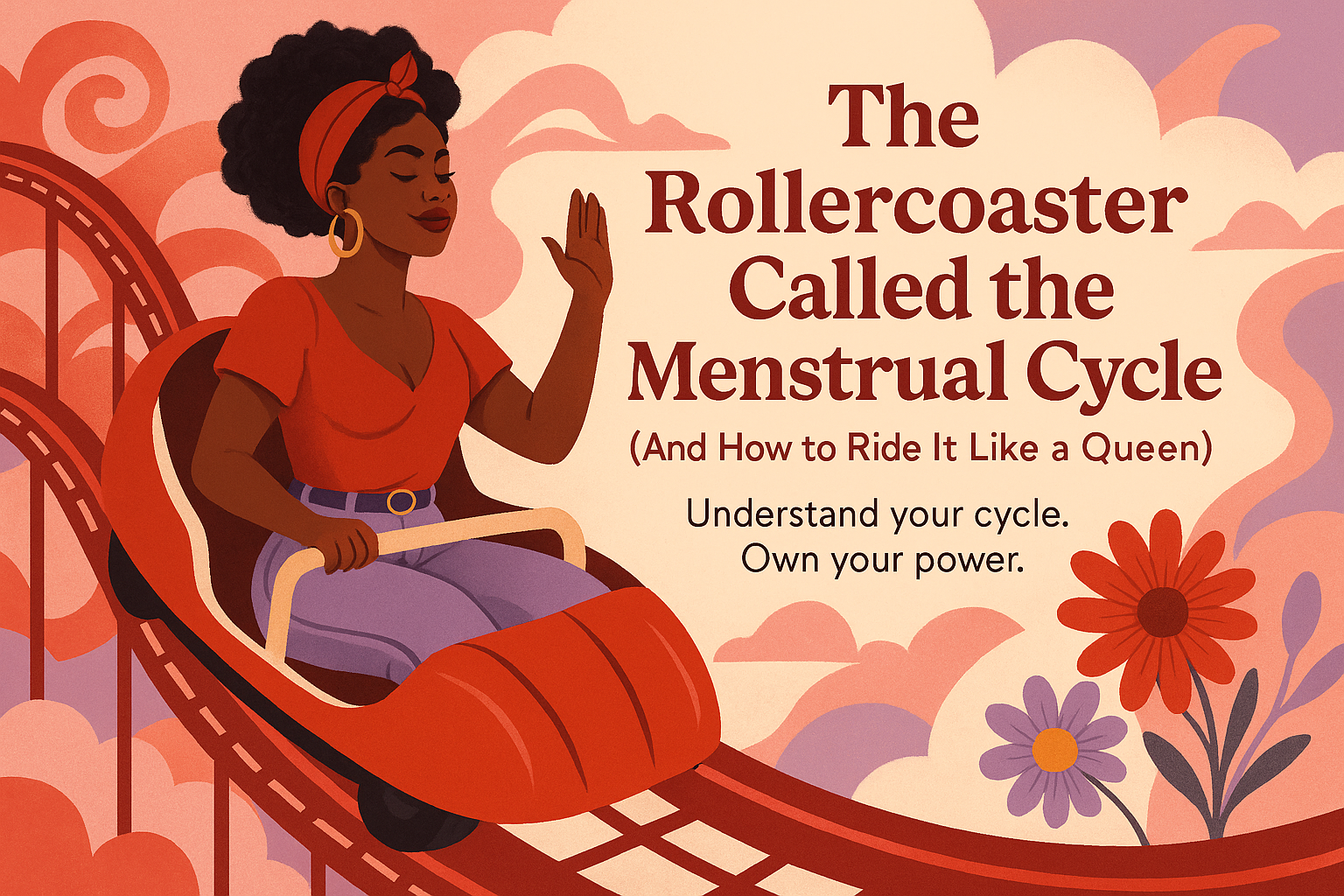
The Rollercoaster Called The Menstrual Cycle (And How To Ride It Like A Queen)
One day, you are an emotional wreck; you cry over every little thing and find everyone exasperating. You don’t understand why you are feeling this way until the following day, when you wake up to blood-stained panties. Congratulations, sis! You’re on the menstrual cycle rollercoaster, a ride driven by shifting hormones. Here’s the good news:…
-
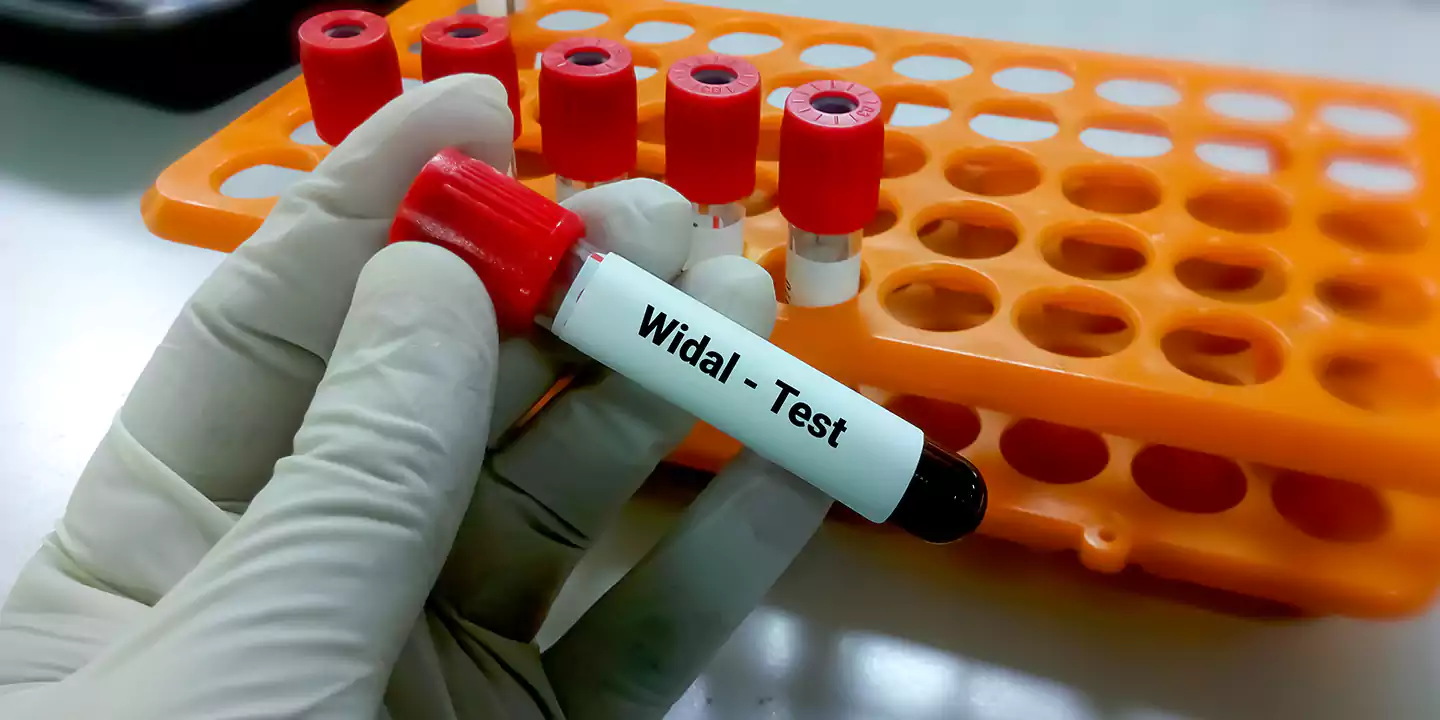
Should You Do a Widal Test?
The Widal Test is a blood test commonly used (particularly in Nigeria) to determine if a person has typhoid fever. It checks for antibodies that fight Salmonella typhi, the bacterium that causes typhoid fever. Before you do a widal test, you may want to consider the following: Hence, the reliability of a Widal test is…
-
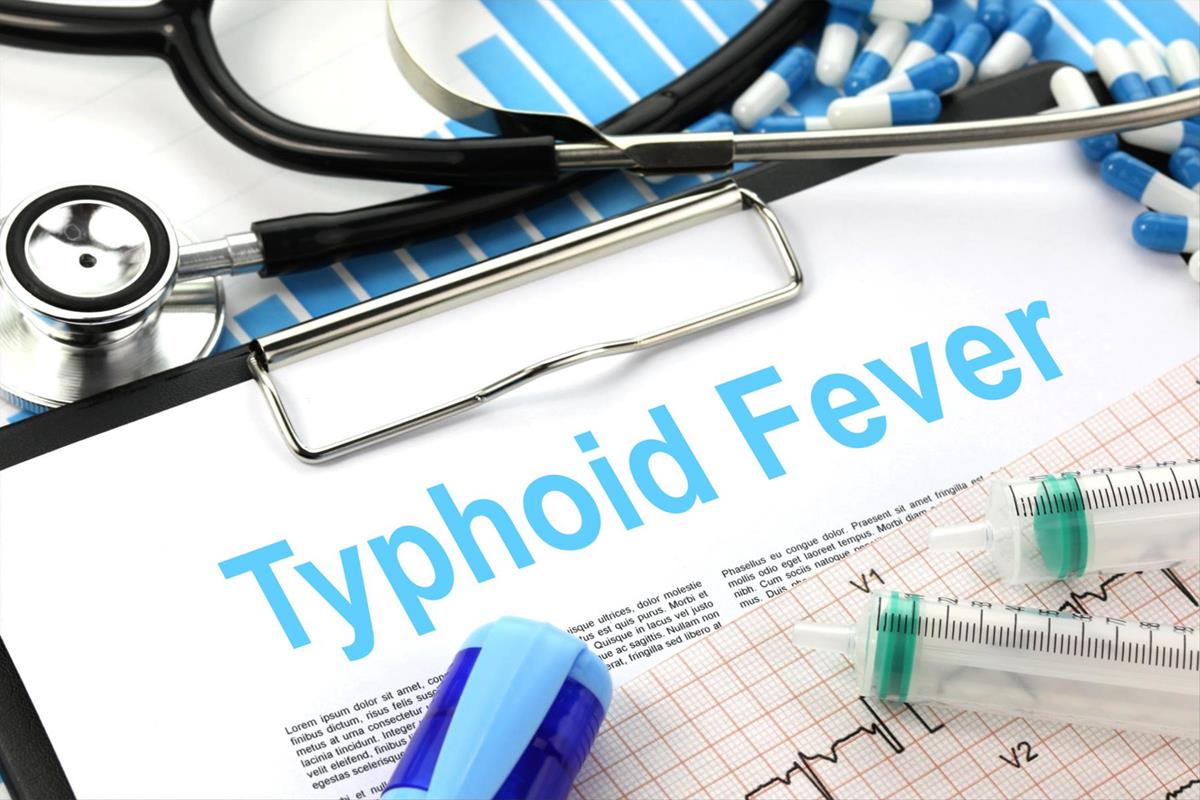
TYPHOID FEVER (ENTERIC FEVER)
Typhoid fever is a common bacterial infection caused by Salmonella typhi (S. typhi). It is transmitted through contaminated food and drinks, and after ingestion, it usually takes about 10 to 14 days for signs and symptoms of the infection to start showing. After ingesting contaminated food or water, S. typhi travels to the small intestine.…
-
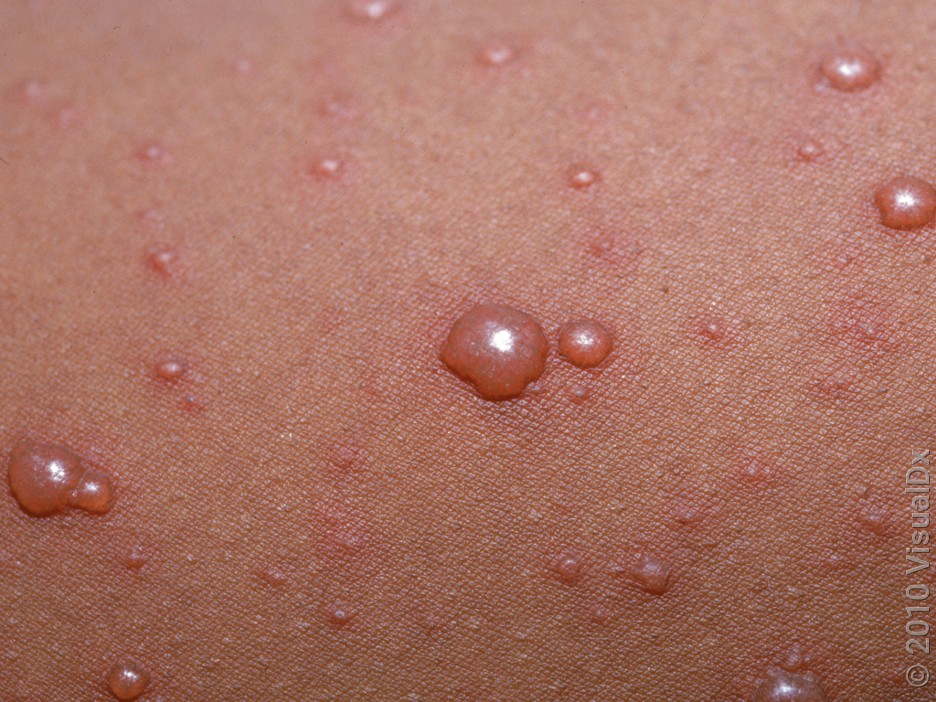
CHICKENPOX
Chickenpox is a viral infection caused by the Varicella zoster virus. It can be contracted through close contact with an infected person, inhaling infected aerosol droplets (e.g., breathing in the air immediately after an infected person coughs or sneezes), or coming in contact with items or places contaminated by the virus. It is particularly infectious…
-
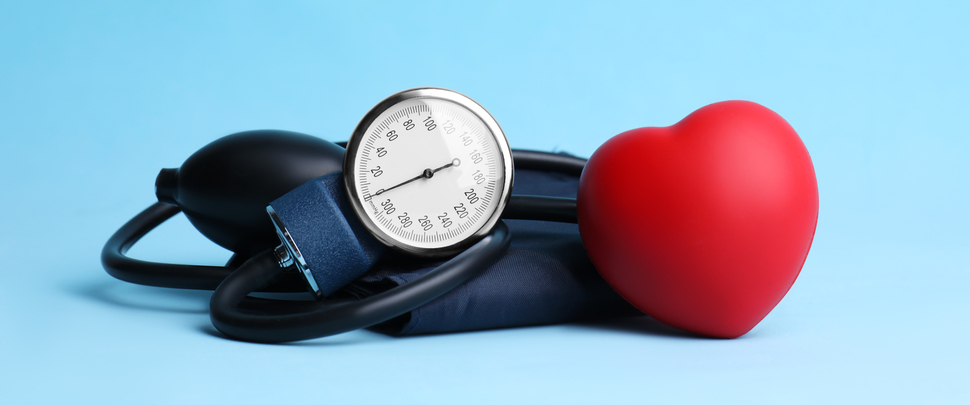
NRỤGIDE ỌBARA
Nkuzi a abụghị naanị maka gị kamakwa maka ndị ị hụrụ n’anya. Yabụ, ma ị nwere ọrịa nrụgide ọbara ma ọ bụ na ị nweghị, biko tinye uche gị nke ọma na mkpụrụ obi, ma nwee obi ụtọ ịjụ ajụjụ ọ bụla ị nwere n’elu nke a ga-enye n’afọ nkuzi. Ahú mmadụ bụ ọrụ nke…
-

Gịnị Kpatara ọgwụ Mgbakwunye Nrụgide ọbara m Ji Eme ka m Kwụsịrị?
Ọ bụrụ na ọgwụ mgbakwunye nrụgide ọbara gị na-eme ka ị na-emetụta mmiri mgbe niile karịa nke gị, ọgwụ gị nwere ike ịbụ diuretic. Diuretics bụ ọgwụ ndị a na-eme ka ị na-emetụta mmiri nke ukwuu. Ị nwere ike ịjụ onwe gị, “Gịnị mere dọkịta m ga-enye m ọgwụ iji mee ka m na-emetụta mmiri?”…
-
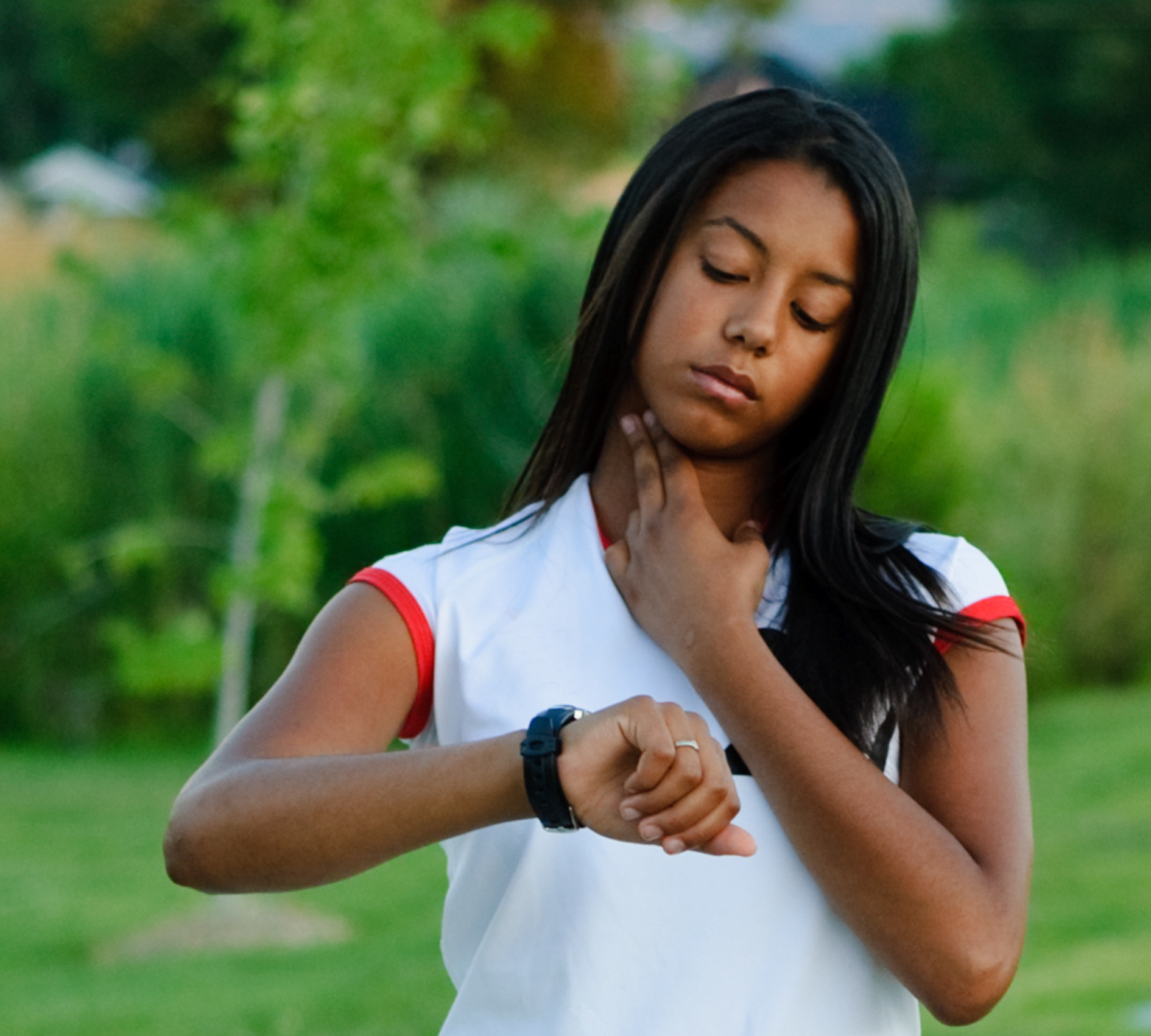
ỤZỌ NDỊ Ị GA-ESI LEE N’OBI GỊ
Ọmalịcha okwu mmalite Ụbụbụ obi gị na-atụgharị ọbara gaa n’ahụ gị dum ọtụtụ ugboro n’otu nkeji. Oge ọ bụla obi gị tụrụ, ọ na-apụpụ ọbara site n’obere ụzọ ọbara nke a maara dịka ‘aorta’ gaa n’ahụ. Ọtụtụ oge obi gị tụrụ, ị nwere ike ịnụ ‘kpọmkwem’ n’akụkụ dị iche iche n’ahụ gị. Nke a bụ…
-
POLYCYSTIC OVARIAN SYNDROME (PCOS)
PCOS is a gynecological condition (a medical condition that affects only women) that is characterized by increased production of [predominantly male] sex hormones known as Androgens, as well as the presence of fluid-filled sacs on the ovaries known as cysts. What Causes PCOS? The exact cause of PCOS is not known. However, research strongly suggests…